
Reflections on Anger, Aggression, and the Need for Change
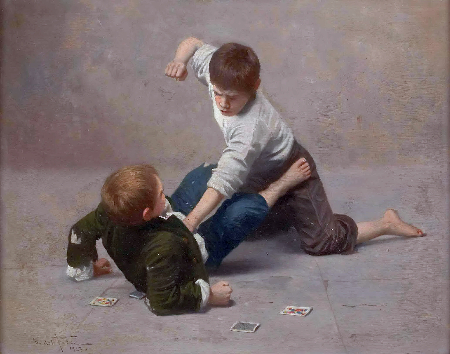
The other day, something happened on the road that shook me deeply.
Decline of empathy in society: At a busy railway crossing, the barrier had just opened after a train passed. Traffic, as you can imagine, was a mess. I had to take a turn on a slope, carefully making my way through. Just then, two young men on a scooter came from the opposite direction, trying to push their way through a narrow passage.
I gestured at them in frustration, silently asking them to move back so the traffic could flow. What happened next shocked me — they began shouting, abusing, and even parked their scooter in front of my car to block my way. One of them challenged me, saying, “Dare to touch my scooter.”
Inside my car were my daughter and her classmate. My heart pounded. In that moment, I wasn’t just thinking of myself — I was thinking of the children. How would my reaction impact them? Should I fight? Should I shout back? For a moment, I even felt like stepping out and slapping him for the insult. But would that make him realize his mistake, or only push him deeper into arrogance?
I chose instead to stay calm. I explained that my car was moving because of the slope, not because I was blocking him. Eventually, they left, still hurling abuses.
But the incident stayed with me. Not because of fear — but because of what it revealed about our society.
Why Are We Becoming So Aggressive?
Aggression on the roads, short tempers at home, rude arguments in public places — it feels like humanity is disappearing. And it’s not just one generation; it’s visible everywhere.
Why is this happening?
- Impatience: We live in a world where everything is instant — food, entertainment, gratification. Waiting even for a minute feels like a personal insult.
- Ego battles: People want to prove they are superior, even if it means abusing strangers.
- Media influence: Violent movies, social media fights, and glorification of arrogance shape young minds to believe aggression equals strength.
- Stress and insecurity: Jobs, money, competition — all add pressure, which often spills out in anger at the wrong place.
But is this really the world we want to create?
True Courage Is Choosing Calmness
Many might say I should have fought back. But here’s what I realized:
- Slapping or shouting would not have changed them. It would only fuel their aggression.
- The kids in my car were watching. What lesson would they learn if I taught them anger is the answer to anger?
- Silence doesn’t mean weakness. Sometimes it is the strongest response, because it protects peace without losing dignity.
How Can We Bring Back Humanity?
Humanity hasn’t disappeared. It lives inside us — but we must nurture it daily. Here’s how we can start:
- Teach Children Respect & Patience
Children absorb more from watching us than hearing us. If we show calmness in chaos, they learn resilience. If we show respect, they learn empathy. - Choose Positive Influences
Encourage movies, books, and content that uplift rather than glorify violence. Our entertainment shapes our thinking more than we realize. - Practice Mindfulness
Pause before reacting. Ask: Will my reaction make things better, or worse? A few seconds of thought can prevent years of regret. - Small Acts of Kindness
Let someone pass in traffic. Smile at a stranger. Forgive small mistakes. These little sparks of humanity can light up the darkest corners. - Community Awareness
Schools, families, and even local groups should regularly talk about values like empathy, respect, and humility. These aren’t “old-fashioned” — they are survival skills for a peaceful society.
A Hopeful Closing
That day on the road could have ended badly. But it didn’t. Not because those boys changed, but because I chose not to let anger win.
Humanity isn’t lost — it is a choice we make, every day, in every interaction.
If aggression spreads fast, kindness can spread faster. All it takes is a few of us deciding: I will respond with humanity today.
Will you?
🔥 FAQs on “Decline of Empathy in Society”
Q1. What does the decline of empathy in society mean?
The decline of empathy in society refers to the noticeable reduction in people’s ability to understand and share the feelings of others. It shows up in rising aggression, impatience, and a lack of kindness in daily interactions.
Q2. Why is empathy declining in today’s world?
Empathy is declining because of stress, constant competition, social media conflicts, and the influence of violent or negative content. When instant gratification becomes the norm, patience and compassion take a back seat.
Q3. How does the decline of empathy in society affect us?
It creates more conflicts, road rage, broken relationships, and mental stress. Communities become less supportive, and individuals feel more isolated. Without empathy, society loses its sense of humanity.
Q4. Can empathy be rebuilt in modern society?
Yes. The decline of empathy in society can be reversed through conscious efforts like teaching children respect and kindness, promoting positive media, practicing mindfulness, and encouraging acts of compassion in everyday life.
Q5. What can I do to fight the decline of empathy in society?
Start small: be patient in traffic, listen without judging, forgive minor mistakes, and choose kindness even when it’s hard. Change begins with individuals, and one empathetic act can inspire many.
Q6. Why do people today get angry so quickly, even over small things?
Because patience has become rare. We live in an “instant everything” world — instant food, instant replies, instant success. When things don’t go our way, frustration bursts out as anger. This mindset is a major reason behind the decline of empathy in society.
Q7. Is road rage connected to the decline of empathy in society?
Yes, road rage is a clear symptom. Instead of seeing another driver as a human being, people see them as an obstacle. Empathy makes us pause and think, “Maybe they’re in a hurry or struggling.” Without it, anger takes over.
Q8. Do violent movies and media contribute to the decline of empathy in society?
Absolutely. When aggression is shown as “power” and violence as “cool,” people (especially the young) internalize that behavior. Entertainment strongly influences attitudes, and constant exposure to negativity reduces our natural empathy.
Q9. How can parents prevent their kids from growing up in a world with less empathy?
By modeling it. Kids learn more by watching than listening. If parents show patience, respect, and kindness — especially in stressful situations — children will carry those values forward, helping to fight the decline of empathy in society.
Q10. Is staying calm in front of aggression a sign of weakness?
Not at all. In fact, it’s strength. Shouting back or fighting escalates aggression. Calmness, especially when others expect anger, shows self-control and dignity. In a time of decline of empathy in society, calmness is one of the bravest responses.
Follow Us
- Instagram: Follow us on Instagram
- Pinterest: Follow our Pinterest profile
- Threads: Follow us on Threads
- Reddit: Follow us on Reddit
I have also raised this concern earlier too. Kindly on Awareness Vs. Influence, Kindness Vs Agression
What you took as an approach is good if we see in context that your daughter and some other kid was in the car. This will help them in learning patience .
Thanks